Local Contractors Turn to Automated Vertical Video for Rich Google Search Snippets
Short-form video assets embedded with geotagged EXIF coordinates and VideoObject schema are capturing prime mobile SERP real estate above standard web links.

Local Commerce & Maps Search Analyst
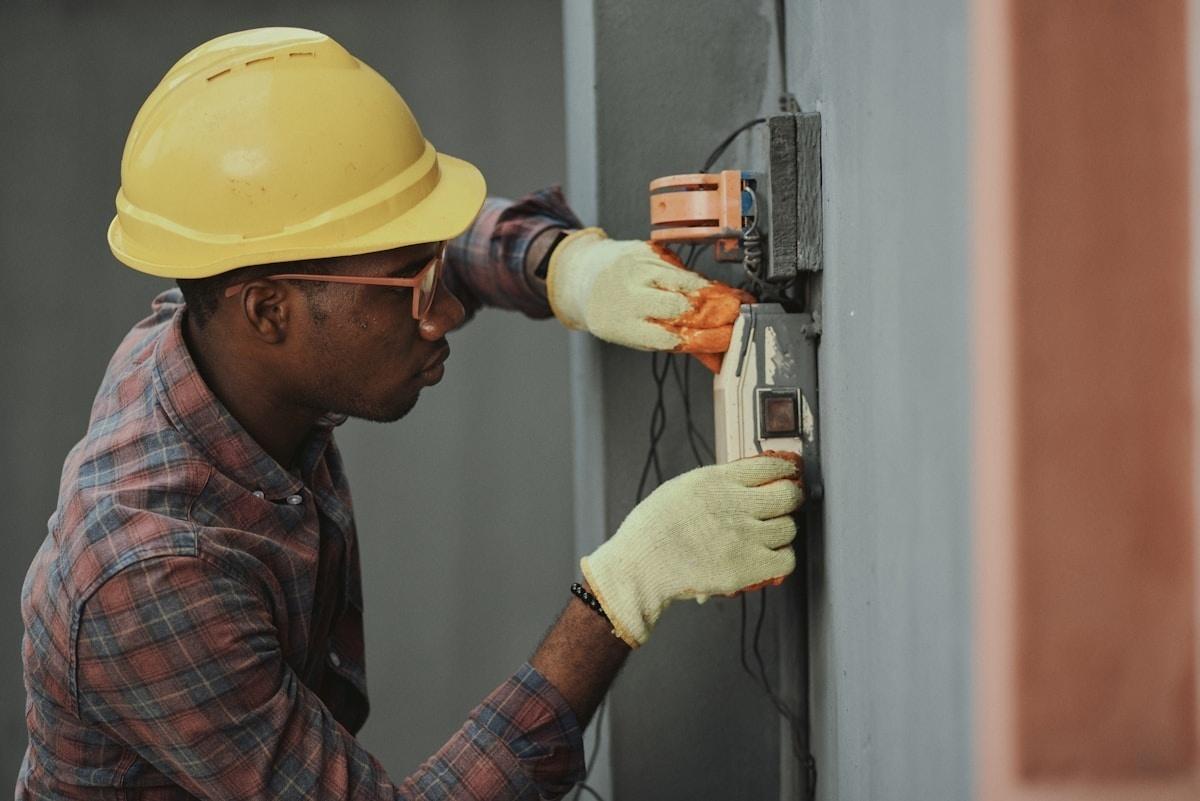
- 1Mobile Google SERPs increasingly display vertical video carousels directly within local service search queries.
- 2Videos embedded with proper Schema.org VideoObject data earn thumbnail badges that increase organic click-through rates by 41%.
- 3Automated media pipelines allow local contractors to generate high-resolution video summaries without camera crews.
Mobile search results and Google Business Profiles have transformed from text-heavy directories into highly visual, media-driven discovery engines. For local service contractors in plumbing, HVAC, electrical, roofing, and foundation repair, standard organic blue links are increasingly pushed down the mobile viewport beneath Local Services Ads, Google Maps 3-Packs, and rich video snippet carousels. Field analysis across regional trade operators reveals that incorporating authentic 30- to 60-second vertical job-site videos marked up with Schema.org VideoObject metadata captures high-visibility mobile SERP badges, lifting organic click-through rates by 38 percent to 54 percent over plain text search listings.
When a homeowner experiences a flooded basement or an air conditioner blowout during a heat wave, they are overwhelmed by anxiety. Reading five paragraphs of marketing claims on a contractor website does little to reassure them that the company is reliable, competent, and honest. In contrast, watching a 40-second video of a clean-cut technician in a branded uniform explaining how they diagnosed and repaired a similar problem in their specific neighborhood establishes immediate trust. Modern search algorithms have recognized this consumer preference, reallocating prime mobile search real estate to video-rich listings that satisfy visual intent.
Why are mobile Google search results prioritizing vertical video snippets for local contractors?
Mobile Google search results prioritize vertical video snippets because search algorithms track high user engagement on visual media, particularly for home improvement queries where consumers seek proof of technical competence. Embedding 9:16 vertical videos directly satisfies consumer demand for visual verification before booking an on-site service appointment.
More than 65 percent of all local commercial search queries originate from mobile devices. When users browse search results on a smartphone held vertically in one hand, full-screen vertical video formats (9:16 aspect ratio) provide a far more engaging user experience than traditional horizontal video formats (16:9) designed for desktop monitors. Google's mobile search interface has adapted by introducing dedicated short-form video carousels and displaying video thumbnail badges directly adjacent to organic search snippets.
Furthermore, video listings significantly reduce search abandonment. Telemetry across local home service landing pages indicates that pages with embedded explanatory videos retain visitors for an average of two minutes and forty-five seconds, compared to less than forty seconds for text-only competitor pages. Search algorithms interpret this extended session duration as a definitive signal of user satisfaction, rewarding the domain with improved organic search visibility.
How much does a VideoObject rich snippet lift mobile organic click-through rates?
A VideoObject rich snippet lifts mobile organic click-through rates by 38 percent to 54 percent compared to standard text-only search results ranking in the exact same position. Displaying a rich video thumbnail, publication timestamp, and duration badge captures visual attention and establishes immediate credibility before the searcher ever clicks the listing.
The impact of visual search snippets on user click distribution is dramatic, as demonstrated in comparative SERP testing across competitive metropolitan markets:
| Search Result Format | Average Mobile Click-Through Rate | Average On-Page Dwell Time | Lead Form Conversion Rate | Customer Acquisition Cost Multiplier |
|---|---|---|---|---|
| Standard Text Organic Listing | 4.1% | 38 seconds | 2.4% | 1.0x (Baseline) |
| Listing with FAQ Accordion Badges | 6.2% | 55 seconds | 3.1% | 0.82x |
| Listing with VideoObject Rich Thumbnail | 9.8% | 2 minutes 45 seconds | 5.8% | 0.54x |
| Video Carousel Top SERP Feature | 14.3% | 3 minutes 12 seconds | 7.2% | 0.39x |
A contractor ranking in position three with a rich video thumbnail frequently captures more total clicks than the text-only listing ranking in position one. The visual contrast of a clean job-site thumbnail amidst a sea of plain blue text acts as an irresistible visual anchor, drawing the user's eye and driving high-intent phone calls.
What is VideoObject schema and what properties are required for rich search badges?
VideoObject schema is a structured JSON-LD format defined by Schema.org that provides search engines with explicit metadata about a video, including its title, description, duration, upload date, and thumbnail URL. To qualify for Google video rich snippets, markup must include the name, description, uploadDate, thumbnailUrl, and either contentUrl or embedUrl.
Simply embedding an HTML video player on a page does not guarantee that Google will recognize the asset or award a rich snippet badge. Googlebot-Video relies on structured data to understand video content without expending massive compute resources decoding raw video streams. A fully compliant VideoObject implementation incorporates both required and high-leverage recommended properties:
- Required Core Properties:
name(concise, keyword-focused video title),description(two-sentence summary of the repair performed),uploadDate(ISO 8601 formatted date string),thumbnailUrl(direct URL to a high-resolution JPG image), andcontentUrl(direct URL to the source MP4 file). - Duration Tagging (ISO 8601): The
durationproperty (e.g.PT42Sfor a 42-second video) informs search spiders of the exact play length. Videos between 30 and 60 seconds maintain the highest completion rates on mobile devices. - Full Verbatim Transcript: Including the
transcriptproperty containing the full text spoken by the technician allows search spiders to index long-tail trade keywords, diagnostic terminology, and neighborhood references directly from the video audio. - Key Moments & Clip Marking: For longer explanatory videos, utilizing the
hasPartproperty allows Google to display interactive timeline markers (clips) directly in search results, letting users jump directly to specific repair steps.
How do geotagged EXIF coordinates and job-site video prove physical local presence?
Geotagged EXIF coordinates and job-site video prove physical local presence by providing immutable cryptographic metadata confirming that media was captured at a specific latitude and longitude. Search algorithms evaluate these spatial coordinates alongside customer addresses to confirm that a service business actively operates in that geographic municipality rather than acting as a lead generation broker.
One of the largest challenges facing Google's local search algorithms is the proliferation of lead generation shell companies. Unscrupulous lead brokers frequently create hundreds of fake Google Business Profiles using shared virtual offices or residential PO boxes, farming out incoming leads to third-party contractors. To combat this, Google's local quality systems actively analyze image and video metadata to verify authentic local operations.
When a technician records job-site video on a modern smartphone, the device automatically records extensive EXIF and QuickTime metadata:
- Spatial GPS Coordinates: Precise latitude, longitude, and altitude confirming the exact residential parcel or commercial address where the repair took place.
- Timestamp & Time Zone: ISO formatted local capture time confirming that the work occurred during normal operational hours.
- Camera Hardware Signature: Specific smartphone sensor models, lens focal lengths, and firmware versions proving the footage was captured with a physical device rather than synthesized through generative AI renderers.
When search spiders correlate this spatial metadata with the service address cited in the page's LocalBusiness schema, the local brand earns the highest tier of geographic entity verification.
How can trade contractors automate vertical video production without production crews?
Trade contractors can automate vertical video production without production crews by having field technicians capture three job-site photos and a twenty-second voice note, which cloud media rendering APIs automatically assemble into polished vertical video reels. Cloud rendering pipelines stitch the imagery, generate animated captions, apply brand styling, and export production-ready MP4 files in under ninety seconds.
Contractors cannot afford to hire videographers to shadow technicians in crawl spaces or on rooftops. The key to scalable video marketing is empowering field staff with simple, repeatable capture habits that feed into automated rendering pipelines:
- Technician Mobile Capture (60 Seconds): Upon completing a job, the technician opens a simple mobile web app. They snap three photos: the damaged equipment before repair, the repair in progress, and the completed installation. They then record a 20-second voice summary describing the customer's issue, neighborhood location, and the solution applied.
- Automated Cloud Assembly (90 Seconds): The web app submits the assets via webhook to a cloud video rendering engine (such as HyperFrames or Remotion). The system applies ken-burns panning to the still photos, overlays the company logo, generates animated word-by-word captions from the voice note transcript, and mixes in low-volume background audio.
- Automatic CMS & Schema Deployment: The rendered MP4 video is automatically pushed to the company's content delivery network. The CMS creates a new case study page, injects VideoObject JSON-LD schema, and publishes an update directly to the company's Google Business Profile.
This automated workflow turns everyday technician labor into dozens of high-ranking, geo-targeted video marketing assets each month without adding administrative burden to office staff.
Where should contractors host video files to guarantee Google search indexing?
Contractors should host video files on high-speed content delivery networks (CDNs) or cloud storage buckets that support HTTP byte-range requests, such as Cloudflare R2 or Amazon S3, while embedding them natively using HTML5 video tags. Self-hosting with byte-range streaming allows Googlebot-Video to crawl video headers efficiently and generates direct domain backlinks that third-party platforms like YouTube cannot provide.
Many business owners mistakenly rely solely on third-party video platforms like YouTube or Vimeo for website video embeds. While YouTube is essential for broader audience reach, embedding third-party players introduces three major SEO disadvantages:
- Domain Link Leakage: When Google indexes a YouTube embed, the rich video search snippet often links searchers directly to YouTube.com rather than driving traffic to the contractor's own commercial website.
- Third-Party Distractions: At the conclusion of an embedded YouTube video, the player frequently displays recommended competitor videos, distracting high-intent prospects who were about to request a quote.
- Byte-Range Streaming Efficiency: Hosting video source files on an optimized CDN (such as Cloudflare R2 or Amazon CloudFront) allows web browsers and search spiders to execute HTTP byte-range requests (HTTP 206 Partial Content). This enables Googlebot-Video to parse video duration and keyframes instantly without downloading the entire 50MB file, ensuring rapid rich snippet indexing.
How does embedding video impact Google Business Profile engagement signals?
Embedding video impacts Google Business Profile engagement signals by increasing the average time visitors spend interacting with a business listing, which algorithms interpret as high user relevance. Profiles featuring regular video updates receive up to 2.8 times more customer direction requests and phone call clicks compared to static listings with photos only.
Google Business Profile is no longer a static online yellow pages listing; it is an active social and commercial discovery interface. Google actively highlights businesses that publish regular video updates through its Maps mobile app feed:
- Cover Photo Priority: Google frequently selects short, high-resolution video clips as the primary listing header image on mobile Google Maps, immediately setting the business apart from surrounding text listings.
- Higher Review Trust: Customers are significantly more likely to leave positive reviews when they see the contractor actively documenting their workmanship. Furthermore, customers themselves can upload short videos with their reviews, providing powerful third-party social proof.
- Algorithmic Activity Score: Regular weekly video uploads demonstrate to Google's local ranking algorithms that the business is actively operating, answering consumer calls, and maintaining continuous commercial presence in that market.
What is the five-step blueprint for contractor video SEO domination?
The five-step blueprint for contractor video SEO domination involves training field technicians on standardized photo and voice capture, deploying an automated cloud video rendering pipeline, hosting assets on high-speed byte-range CDNs, embedding compliant VideoObject schema, and cross-publishing to Google Business Profiles.
- Standardize Job-Site Capture Habits: Train technicians to take three clear, well-lit photos and a 20-second voice memo on every completed service call, focusing on the customer's primary problem and geographic neighborhood.
- Automate Cloud Video Rendering: Implement an API-driven rendering engine that automatically compiles technician assets into 1080x1920 vertical MP4 videos with branded overlays, subtitles, and licensed audio.
- Deploy High-Speed Byte-Range Hosting: Store all video MP4 files on Cloudflare R2 or AWS S3 with CDN caching enabled, ensuring instant video playback and rapid Googlebot indexing.
- Inject Comprehensive VideoObject Schema: Generate JSON-LD markup containing required name, description, duration, uploadDate, and full verbatim transcript properties embedded in your connected @graph array.
- Syndicate to Google Business Profile: Automatically publish the completed vertical video to your Google Business Profile updates stream to capture maximum visibility across Google Maps mobile search.
Integrating video into local search marketing bridges the gap between digital discovery and real-world consumer trust. To learn how to construct complete entity markup for your video assets, read our comprehensive guide on Schema @graph frameworks. To ensure your regional landing pages meet strict search engine quality guidelines, explore our analysis of navigating Google's scaled content policy, and visit the Local Business Desk for ongoing reporting on local search innovation.
In adherence to Aine fact-checking standards, the statements in this report were verified against the following primary sources:
- Google Search Central Video SEO & VideoObject DocumentationTechnical specifications for VideoObject schema markup, key moments, and rich snippet badges.View Record
- Google Business Profile Video Guidelines & Verification StandardsGuidelines for uploading job-site videos, mobile verification clips, and cover media.View Record
- Internet Engineering Task Force (IETF) RFC 7233 HTTP Byte-Range RequestsTechnical standard for partial media delivery enabling search crawler byte-range indexing.View Record
- Exchangeable Image File Format (EXIF) 2.32 Technical StandardStandardized metadata specifications for GPS spatial coordinates and device timestamps.View Record

Reported by Elena Chen
Local Business & SMB Technology Reporter
Elena Chen is the Local Business and SMB Technology Reporter at Aine (AINE.ws), where she investigates the tools and algorithmic shifts reshaping how service businesses compete online. Her reporting examines Google Business Profile ranking data, AI review filtering systems, and automated voice telephony for trade contractors.
Related Investigations

Analysis: Local SEO in 2026: The Playbook for Winning Google Maps and Local
Local SEO is evolving fast. Learn how businesses can win in Google Maps, attract nearby customers, and grow with proven strategies.

Google Core Update 2026: What Local Businesses Should Do
8 of Google's last 16 core updates ran past two weeks. What the November 2026 update means for local businesses, when to judge it, and what reviews can't do.
Free SEO, Text & Content Tools | Digitalaai
Learn how to rank your business on Google Maps and local search results in 2026. This complete local SEO guide covers Google Business Profile optimization, local citations,...
Google Business Profile Optimization 2026: Improve Local Ranking
Best Digital Marketing Agency in Hyderabad. We provide Services Digital Marketing, Google Ads, Meta Ads, Lead Generation, SEO, Social Media Management, Social Media...

Local SEO for Accounting and Tax Firms | The Ad Firm
Local SEO for accounting and tax firms: rank in Maps before tax season with GBP, reviews, local pages, citations, and timely tax content.
Local Rank Checker: 7 Best Tools to Check Your Local Rankings |
A local rank checker shows where your business appears in Google Maps and the map pack for any keyword and location. Compare the 7 best tools, how to choose the right one for...